

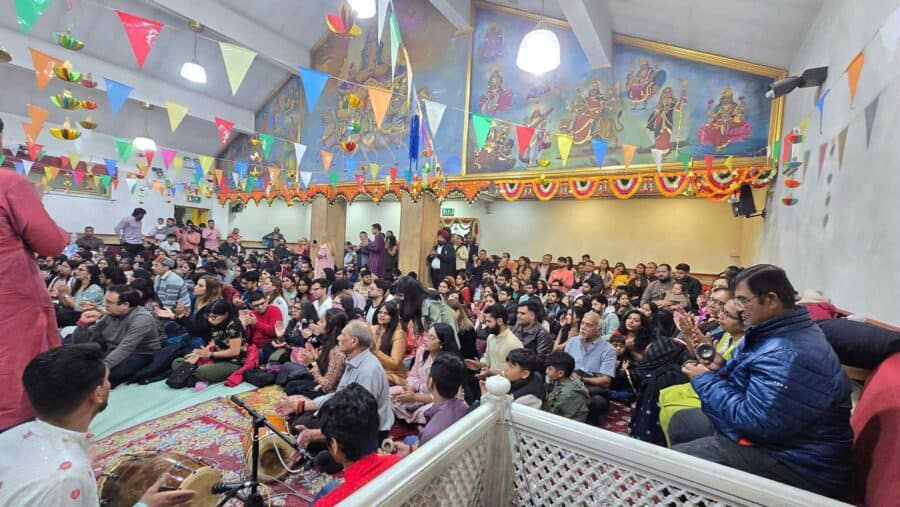
Earlier this month, Hindus, Jains, Buddhists and Sikhs celebrated Diwali, the festival of lights. Many thanks to Nilesh Mistry, who runs Calverley News, for writing these articles about Diwali and the Hindu festival of Śarad Navrātri and providing photos of the celebrations.

Dīpāvali (Diwali), the festival of lights, is a vibrant celebration for Hindus, Jains, Buddhists, and Sikhs, symbolizing the triumph of light over darkness and knowledge over ignorance. Derived from deep (light) and āvali (row), it represents a “row of lights,” signifying wisdom dispelling ignorance. Celebrated on Amāvasyā of Kṛṣṇa Pakṣa in the Hindu month Kārtika (October 20/21, 2025), Diwali unites communities worldwide through its universal themes of hope and renewal.
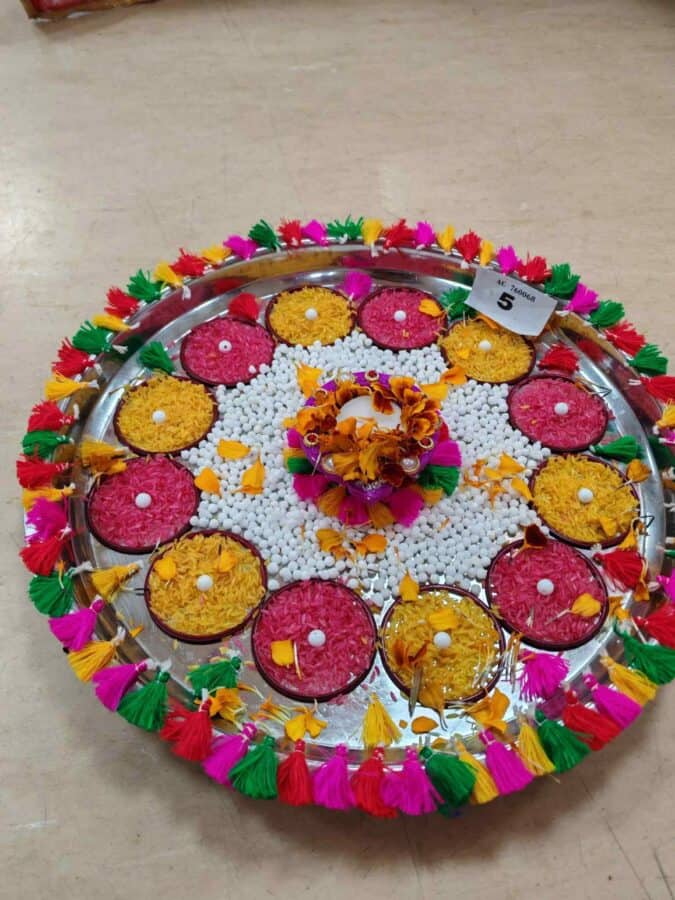
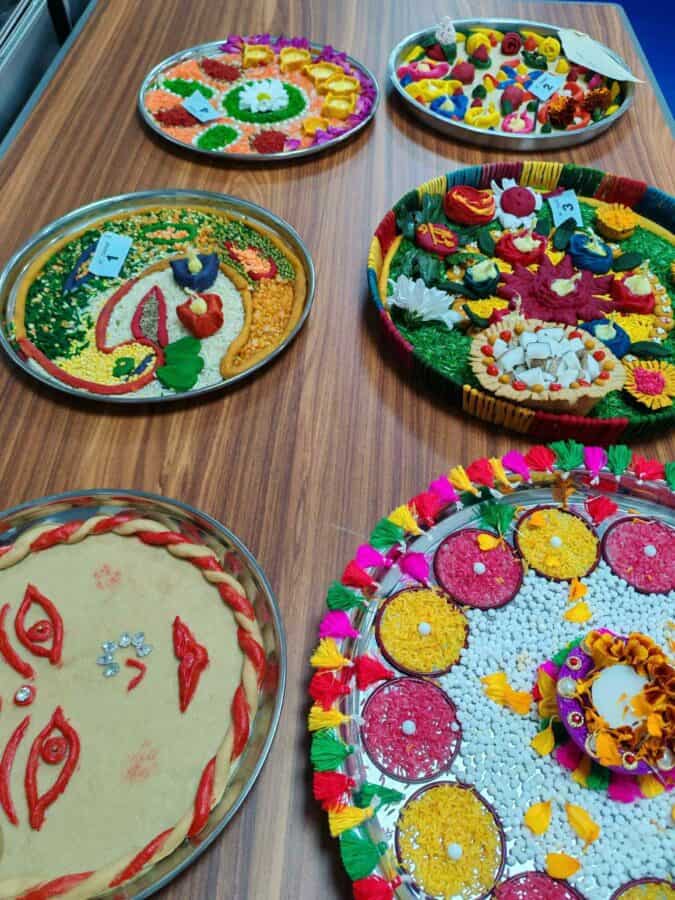
Central to Diwali is the worship of Goddess Lakshmi, symbolizing wealth (material and spiritual), and Lord Ganesha, embodying wisdom and success. Their joint puja emphasizes that prosperity is meaningful only with intelligence. Homes are cleaned, adorned with diyas (oil lamps), and decorated with colorful rangoli to invite divine blessings. The aarti “Om Jai Jagdish Hare,” sung during puja, praises the divine as the remover of sorrows, resonating with Diwali’s theme of light overcoming darkness.
Celebrations include lighting diyas, bursting eco-friendly crackers, and sharing sweets like laddoos and barfis, strengthening community bonds. Families exchange gifts, start new ventures, and set personal goals, reflecting renewal. Regionally, Hindus celebrate Rama’s return or Krishna’s victories, Jains mark Mahavira’s nirvana, Sikhs observe Bandi Chhor Divas, and some Buddhists honor Ashoka’s conversion. Globally, diaspora communities host cultural fairs and interfaith events.
Eco-conscious trends promote green diyas and plant-based rangoli, aligning wisdom with sustainability. The five-day festival includes Dhanteras (purchasing wealth), Naraka Chaturdasi, main Diwali night, Annakut, and Bhai Dooj, celebrating sibling bonds. Diwali’s essence, as highlighted, lies in cultivating virtues, using wealth wisely, and moving toward divinity through knowledge, making it a time for reflection and joyous unity.
Śarad Navrātri, a celebration of the Divine Feminine
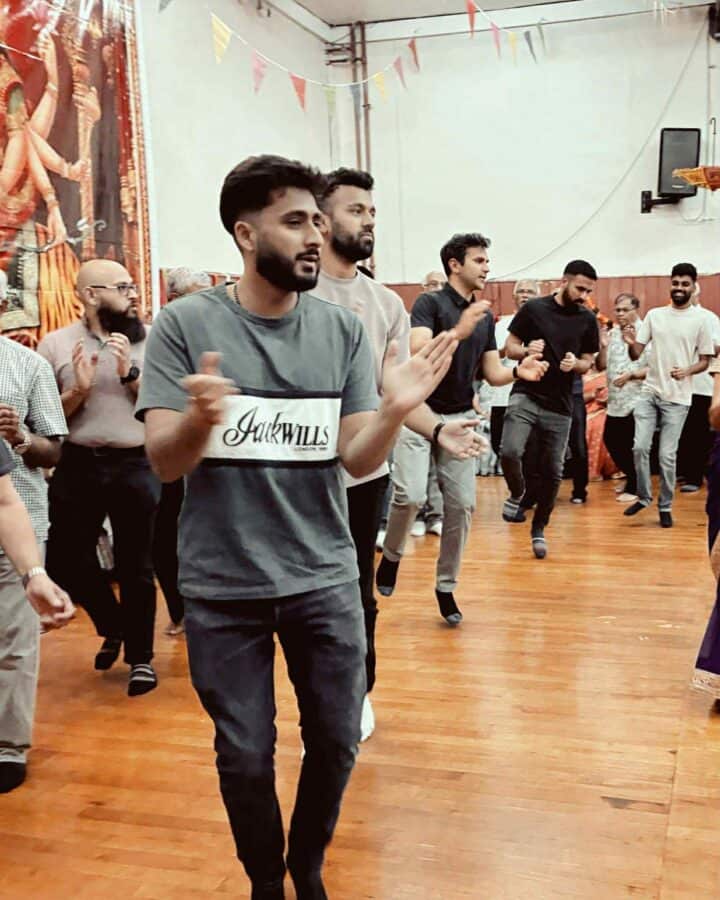
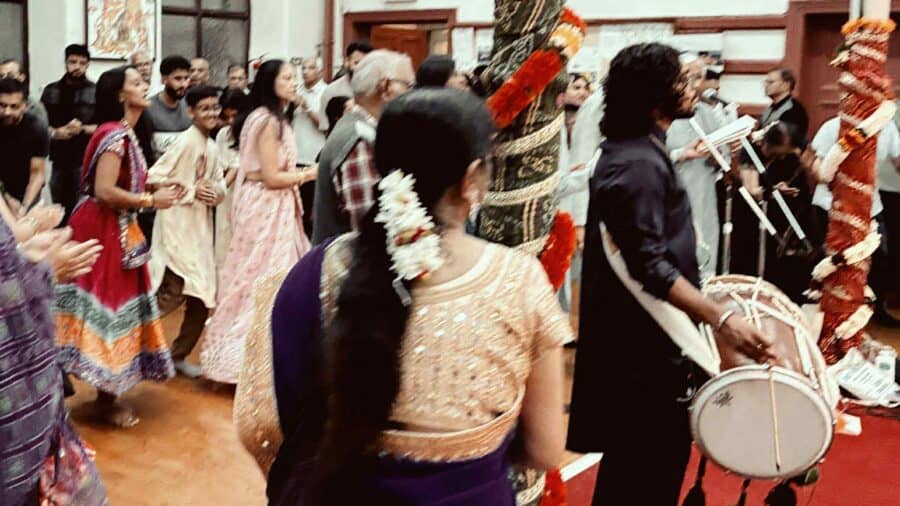
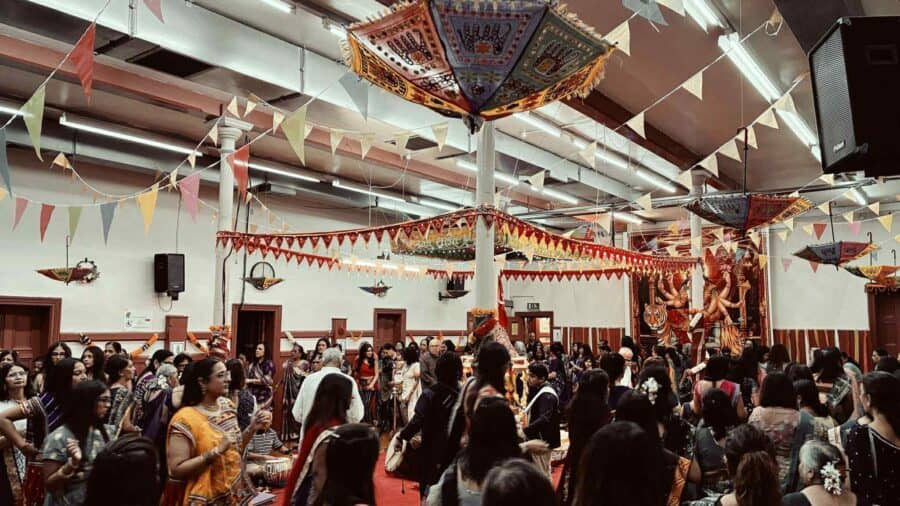
Śarad Navrātri, began on October 6, 2025, on the Pratham tithi of Śukla Paksha in the Śarad (Ashwin) month, is a nine-night Hindu festival celebrating the divine feminine. Meaning “nine nights,” Navrātri honors Goddess Durga, Lakshmi, and Saraswati, each worshipped for three days, symbolizing strength, prosperity, and wisdom. Devotees engage in fasting, prayers, and vibrant dances like Garbā, celebrating the eternal power that creates, sustains, and transforms the universe.Days 1-3: Mā Durga
Durga, the destroyer of evil tendencies (Durgati Hariṇi), purifies the mind. On Day 1, Mā Śailputrī, the “daughter of the mountain,” embodies Mother Nature, governing the Moon and granting prosperity. Day 2 honors Mā Brahmacāriṇī, symbolizing penance and devotion to Lord Śiva, radiating peace and wisdom. On Day 3, Mā Chandraghantā, with a bell-shaped half-moon on her forehead, embodies courage and justice, her third eye ever-ready to combat evil.Days 4-6: Devi Lakshmi
Lakshmi cultivates virtues for spiritual wealth. On Day 4, Mā Kuśmandā, the creator of the universe, emerges as divine light from cosmic darkness, symbolizing creation. Day 5 reveres Mā Skandmāta, the mother of Kārtikeya, blessing devotees with moksha and prosperity while riding a lion. On Day 6, Mā Kātyāyanī, a warrior goddess, brings joy and peace, revered for granting Lord Kṛṣṇa as a consort to Gokula’s maidens.Days 7-9: Devi Saraswati
Saraswati bestows supreme knowledge. Day 7 worships Mā Kālarātri, the fierce destroyer of ignorance, eliminating negativity. On Mahā Aṣtamī (Day 8), Mā Mahāgauri radiates purity, her white form symbolizing transcendence. Day 9 honors Mā Siddhidātri, granting perfection and spiritual elevation, ruling Ketu.Vijayādaśmī
On October 15, 2025, Vijayādaśmī celebrated victory over the ego (Rāvaṇa), marked by effigy burnings, signifying the triumph of self-knowledge after purifying the mind and cultivating virtues through the divine feminine.
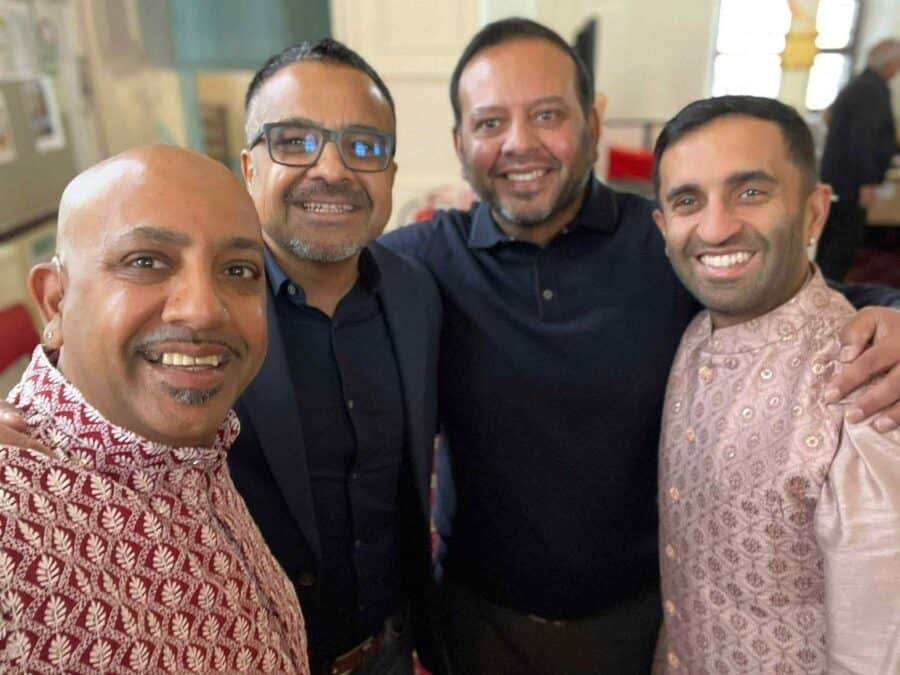
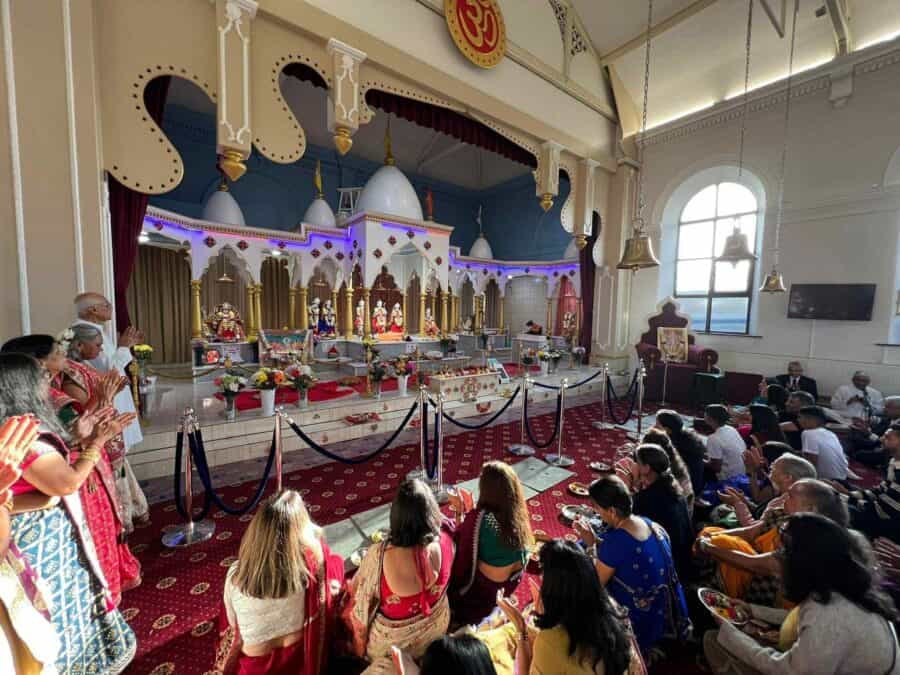
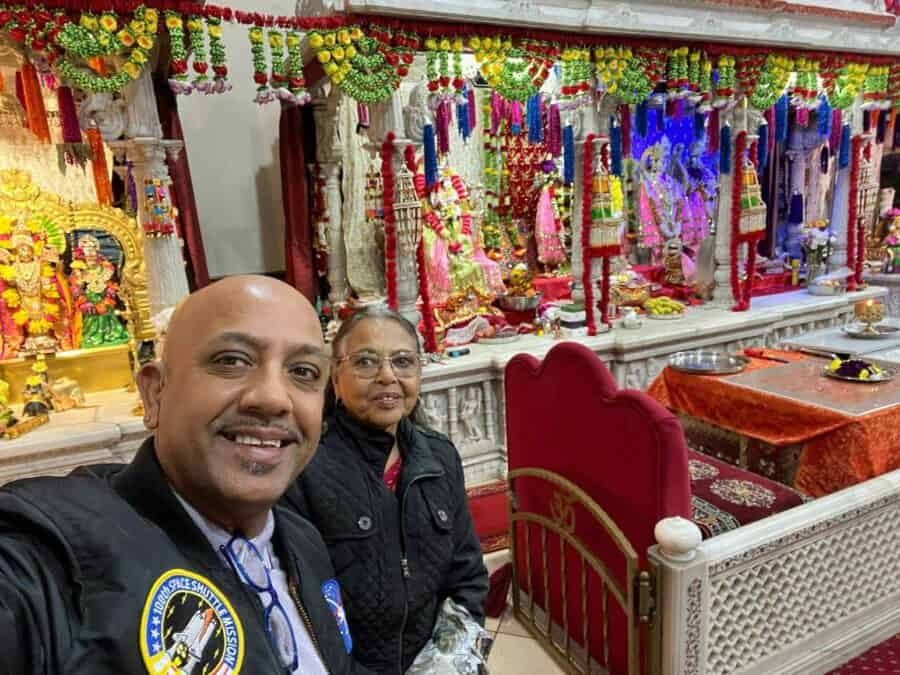
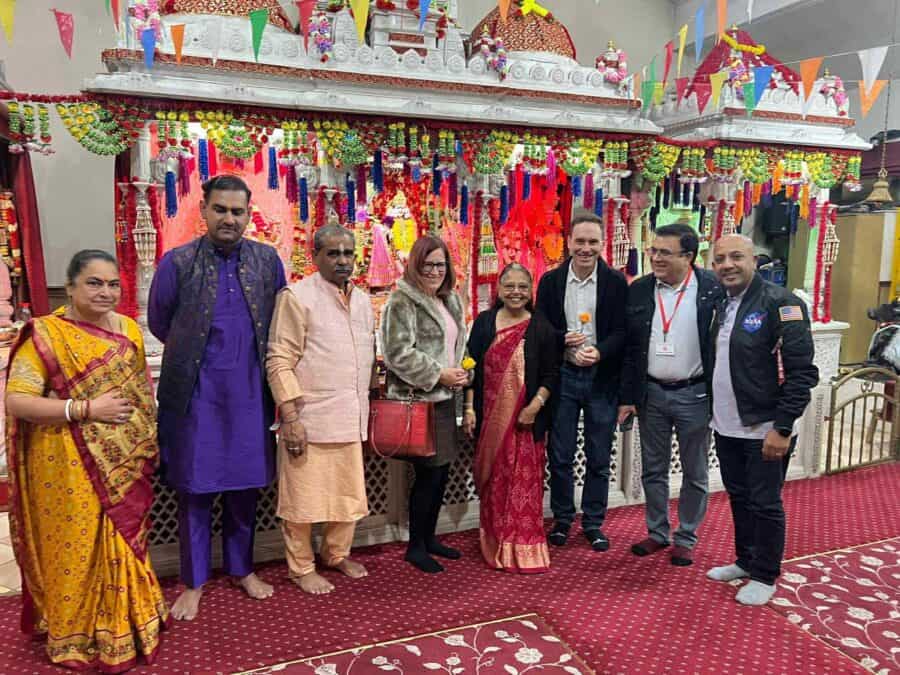
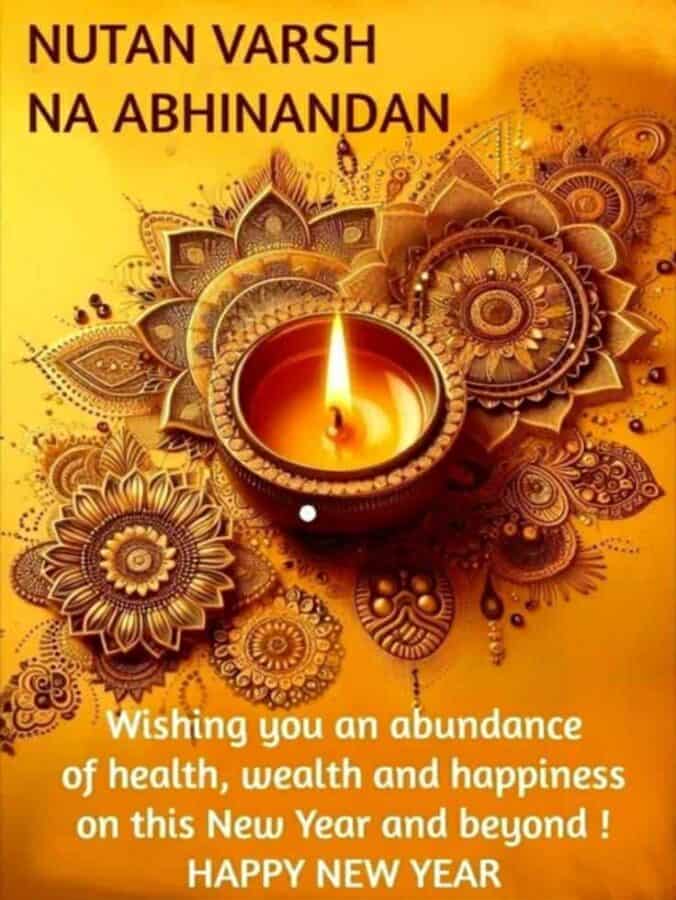
Check out the slideshow of photos below:

Sponsored content