

By John Baron, Editor
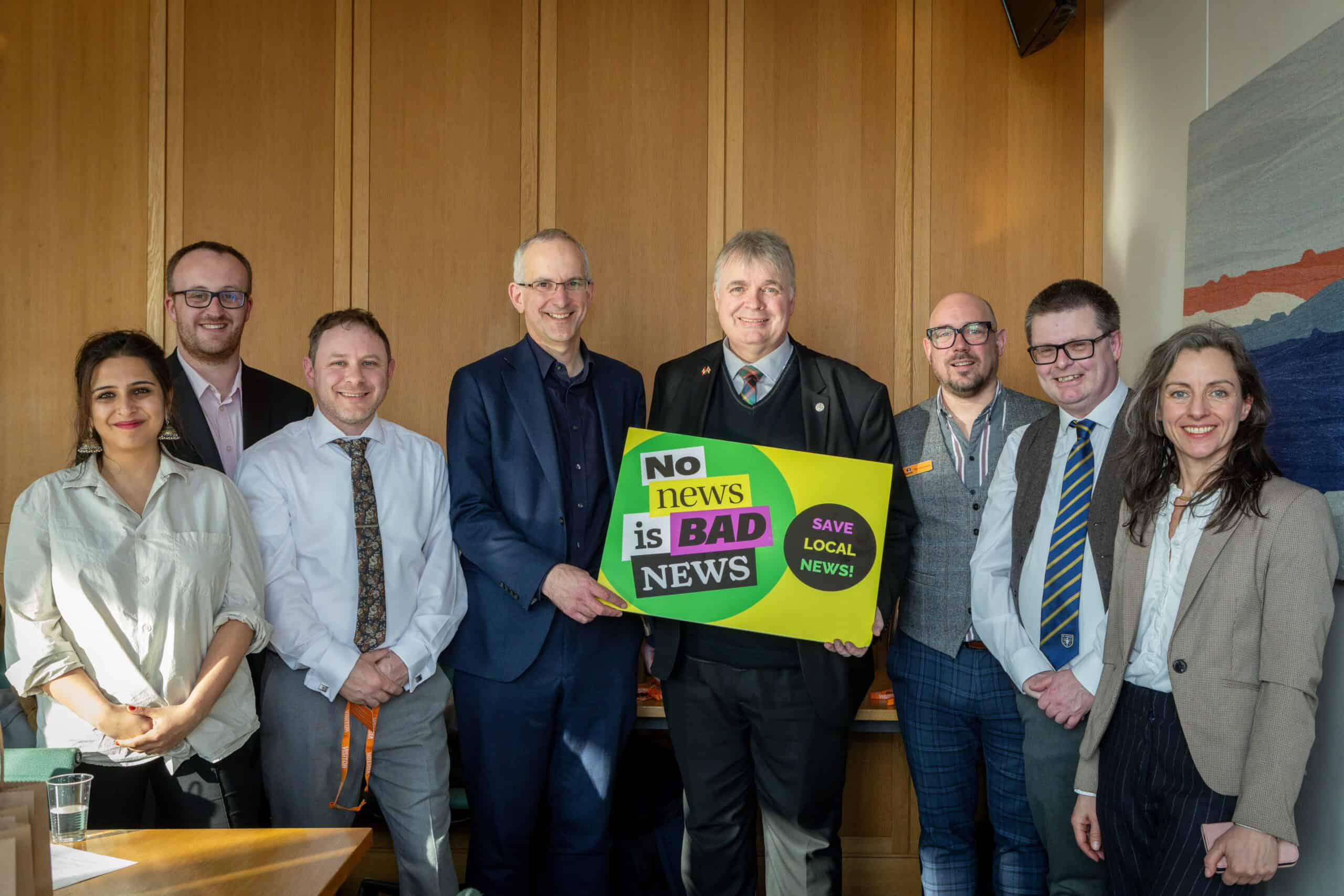
On Wednesday I took some time away from West Leeds to take part in a national briefing in Westminster on the growing crisis in local journalism.
If you didn’t already know, the business model for local journalism is broken. Advertising which once sustained a highly profitable industry some 30 years ago has since disappeared to other sources online, including tech giants like Google and Meta.
While newspaper audiences have largely moved online, newspaper companies have found web-based news operations much more difficult to monetise.
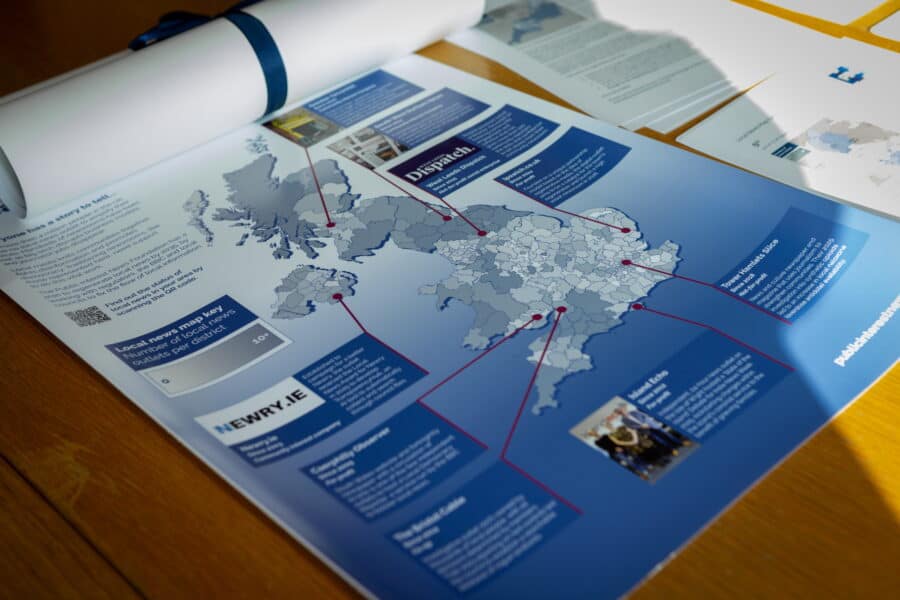
MPs heard stark warnings about the rising number of “news deserts” across the UK and the urgent need to support trusted and accountable local reporting.

They heard how hundreds of newsrooms have been lost across the UK as big tech disrupts business models and journalists’ jobs disappear.
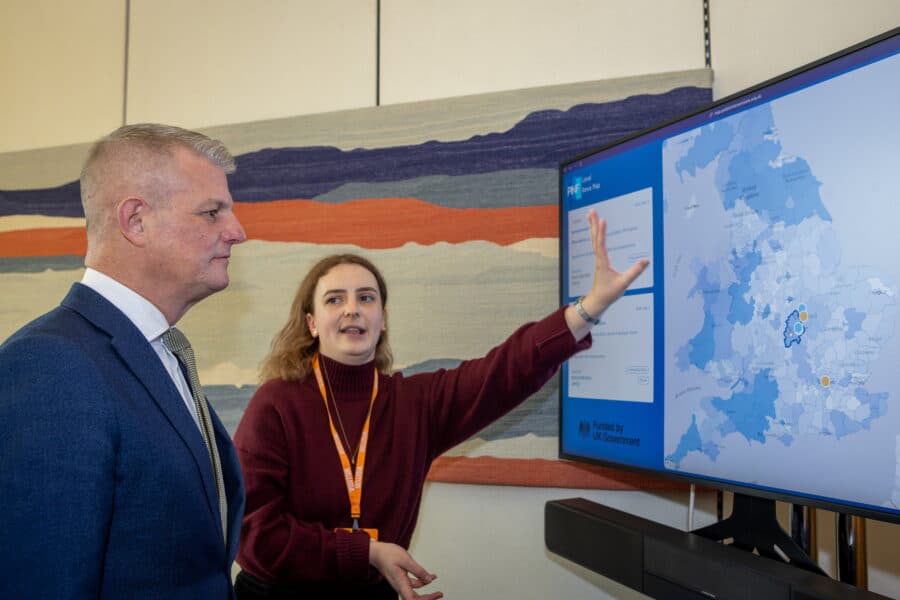
The event – in Portcullis House, just over the road from Parliament – was held by the Public Interest News Foundation (PINF) and the Media All-Party Parliamentary Group (APPG). It showed that some 4 million people in the UK now live in areas with no reliable local news provision.
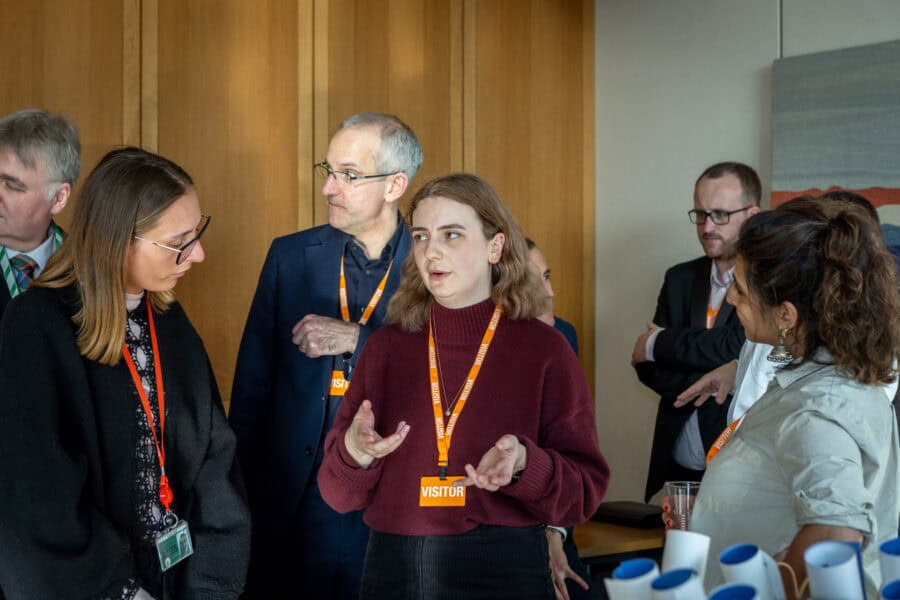
It was heartening that MPs and their staff from across the political spectrum took time to speak to PINF and representatives from fellow independent publishers across the UK. Publishers represented London, the Isle of Wight, Bedfordshire, Wiltshire, Bristol – and, of course, West Leeds.
Many MPs I spoke to had concerns over how local journalism had been in steady decline for a number of years, mainly thanks to cost cutting from large mainstream legacy media organisations.
PINF told MPs that when trusted local news disappears, public understanding of local issues declines, misinformation spreads more easily, and communities lose vital scrutiny of councils, emergency services, developers and public bodies.
Local journalism also provides connection and civic participation, helping residents understand decisions affecting schools, roads, planning, healthcare and community safety.
Looking back at our content over the past ten days, WLD has shone a light on planning and licensing applications, council decision-making, a possible town council by-election in Horsforth, night-time air flights, the £20m Pride in Place schemes for Armley and Farnley, along with building sales as the council looks to balance its books. We know that public interest journalism is very important to our readers.
Much of what we do via our team of community reporters includes connecting people to events, groups and organisations.
We probably don’t shout enough about what difference we make. For example, an extra 15 people recently attended the meeting of a new ADHD support group in West Leeds thanks to our coverage.
Last year we referred more than 29,000 clicks through to applications on the council’s planning portal and our links to the council’s Leeds Local Plan public consultation were clicked on almost 5,000 times.
But good local journalism takes time, effort and money.
At the event, PINF called for four key interventions:
- Creation of an arms-length Local News Fund to regenerate local news
- Stronger partnership between the BBC and local publishers at Charter Review
- Protection of statutory public notices to sustain transparency and local accountability (I would argue this needs to be expanded away from just printed media, which now has a more limited reach).
- A firm timeline for the Competition and Markets Authority to bring Google to the negotiating table over revenue derived from UK news content.
I firmly believe that democracy dies in darkness. Here at WLD we are fortunate to have some grant funding to sustain us for the next two years, thanks to the work we do to train and support our fantastic community reporters. But after that we face an uncertain future.
Sustaining reliable, balanced and accurate local reporting is becoming increasingly difficult, because good journalism is not cheap. It requires time, expertise and dedication.
It’s important for our communities that we don’t take local news for granted and leave the provision of information to the Wild West of social media.
Local news needs proper support as a matter of urgency.
Sponsored content